What Makes a Commercial Site Ready for Construction?
Owning the property does not necessarily mean it is ready for construction. At Nationwide Property Development, we provide excavation and site-preparation services for commercial projects throughout Western Kentucky and Northwest Tennessee, helping property owners prepare their land for the construction that follows.
A commercial site is development-ready when the planning, approvals, and site preparation required for the next phase of construction have been addressed. Depending on the project, that can include clearing, excavation, grading, drainage, utility preparation, building-pad work, and construction access.
The exact process depends on the property, the plans, and what is being built. The important part is that the site work prepares the land for the construction that follows.
The Plans Should Lead the Site Work
Commercial site preparation should start with an understanding of what is being built and how the finished property needs to function.
Building location, finished elevations, parking, entrances, utilities, and drainage can all influence the dirt work. Depending on the project, contractors may work from site plans, grading plans, drainage information, utility plans, surveys, engineering specifications, or other project documents.
Those details help determine where material needs to be removed or added, how the property should be graded, where utilities need to go, and how the different parts of the site will work together.
Site preparation is not simply making the property flat. The work needs to support the project that will be built on it.
Clearing and Demolition May Come First
Not every commercial site starts as open ground.
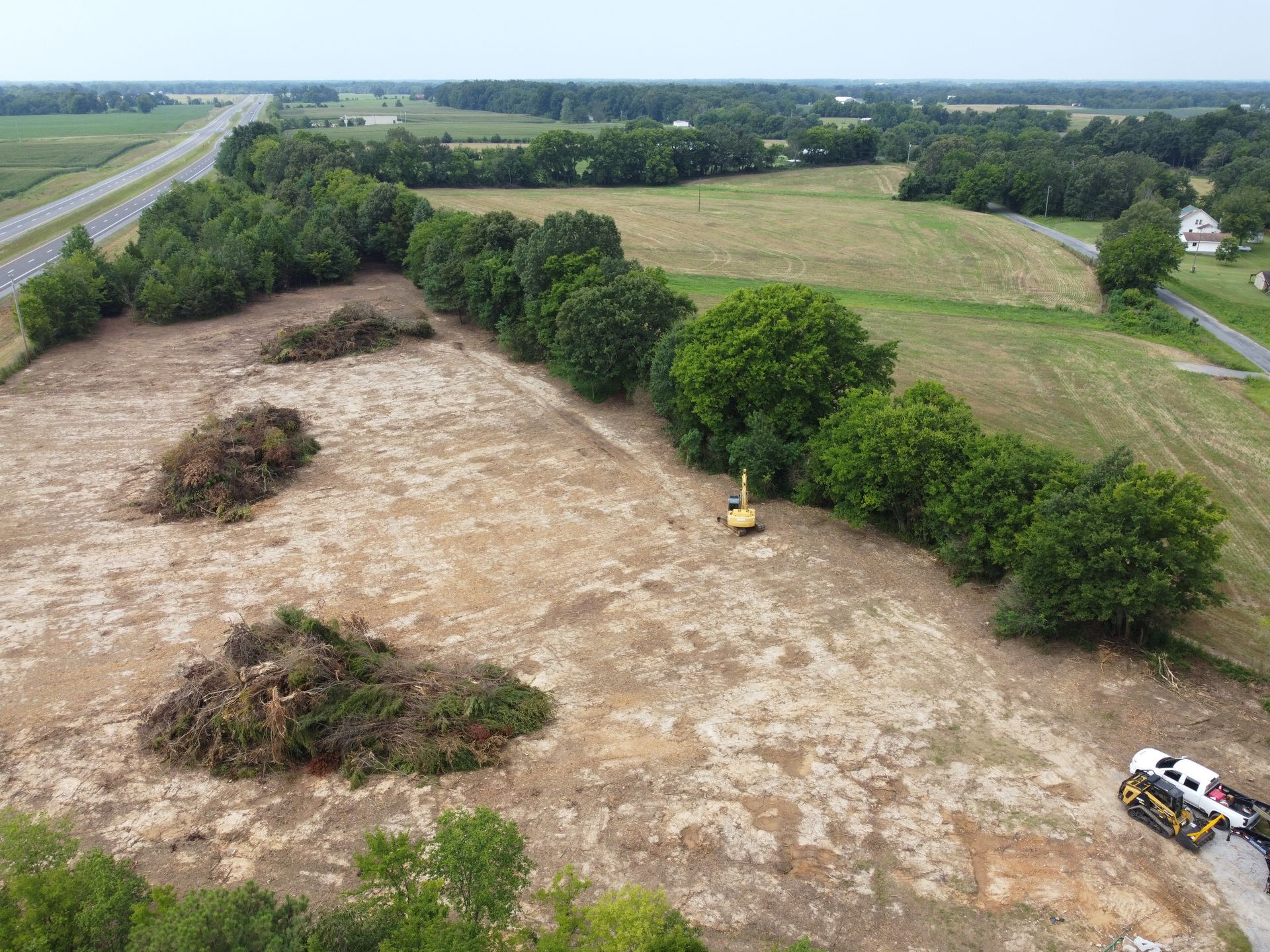
Trees, brush, old structures, pavement, or other obstacles may need to be addressed before major excavation and grading. For wooded or overgrown properties, land clearing and forestry mulching can open the areas needed for access and future site work.
Previously developed properties may require demolition or removal work instead.
The goal is not necessarily to clear everything. It is to prepare the portions of the property needed for the project while accounting for what comes next.
Erosion Control Can Start Before Major Earthwork
Erosion control is not always something that happens after grading.
Once vegetation is removed and soil is disturbed, rainfall can carry sediment away from the work area. Depending on the size, location, and scope of the project, erosion and sediment-control measures may need to be in place before major earthwork begins.
In Kentucky, construction activities that disturb one acre or more, or that are part of a larger common plan of development that will disturb at least one acre, generally require coverage under the state's construction stormwater permit, subject to applicable requirements and exemptions. Other local land-disturbance requirements may also apply.
For the property owner, the important point is that erosion control can be part of preparing to disturb the site, not simply cleanup after the dirt work is finished.
Excavation and Rough Grading Give the Site Its Shape
Excavation and rough grading begin establishing the basic elevations and shape needed for development.
Excavation can involve removing or relocating soil and other material. Rough grading brings larger areas of the site toward the planned elevations and slopes.
You may also hear the terms "cut" and "fill." Cut generally means removing material from higher areas, while fill means placing appropriate material where elevations need to be raised.
Grading does not simply mean making the property level. A commercial site may intentionally need different elevations and slopes around the building, parking areas, drives, drainage features, and surrounding property.
Our excavation and site preparation services account for intended use, access, elevations, drainage, and other site conditions that influence this work.
Drainage Has to Work With the Finished Property
One of the most important questions during commercial site preparation is simple: where will the water go?
A developed property handles water differently from an undeveloped one. Roofs, parking areas, drives, sidewalks, and other hard surfaces can change how stormwater moves across the site.
That means drainage and grading need to work together.
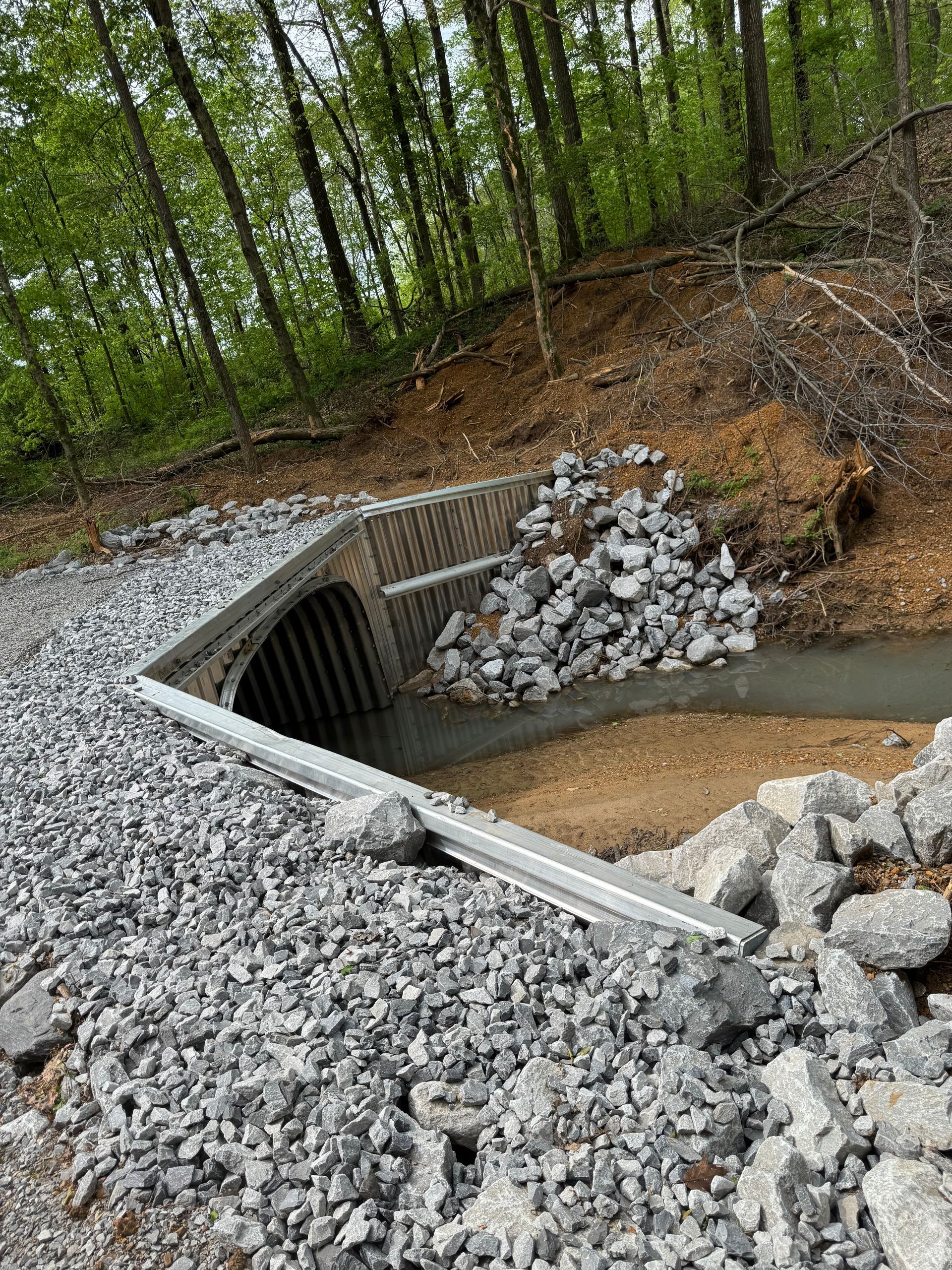
Depending on the plans, the site may use slopes, swales, culverts, detention areas, drainage structures, or other features to manage water. The specific drainage design belongs with the appropriate project professionals, while the site work needs to follow and support that plan.
Addressing drainage during site preparation is much more practical than discovering after construction is underway that water is not moving where it should.
Utility Work Needs to Be Coordinated With the Site
Underground utilities can interact with grading, drainage, access, and other excavation work.
Utility preparation may include trenching or excavation along planned service routes. The exact scope depends on the project plans, utility providers, and responsibilities assigned to each contractor.
Timing matters. Utility routes and site elevations should be coordinated so one phase of work does not unnecessarily interfere with another.
Existing underground facilities also need to be considered before digging. Kentucky 811's notification requirements apply before excavation so participating underground facilities can be marked. That process helps identify existing facilities, but it does not replace planning for the new utilities a commercial project will require.
What Makes a Building Pad Ready?
A building pad is the prepared area where the structure will be constructed. It is more than a flat patch of dirt.
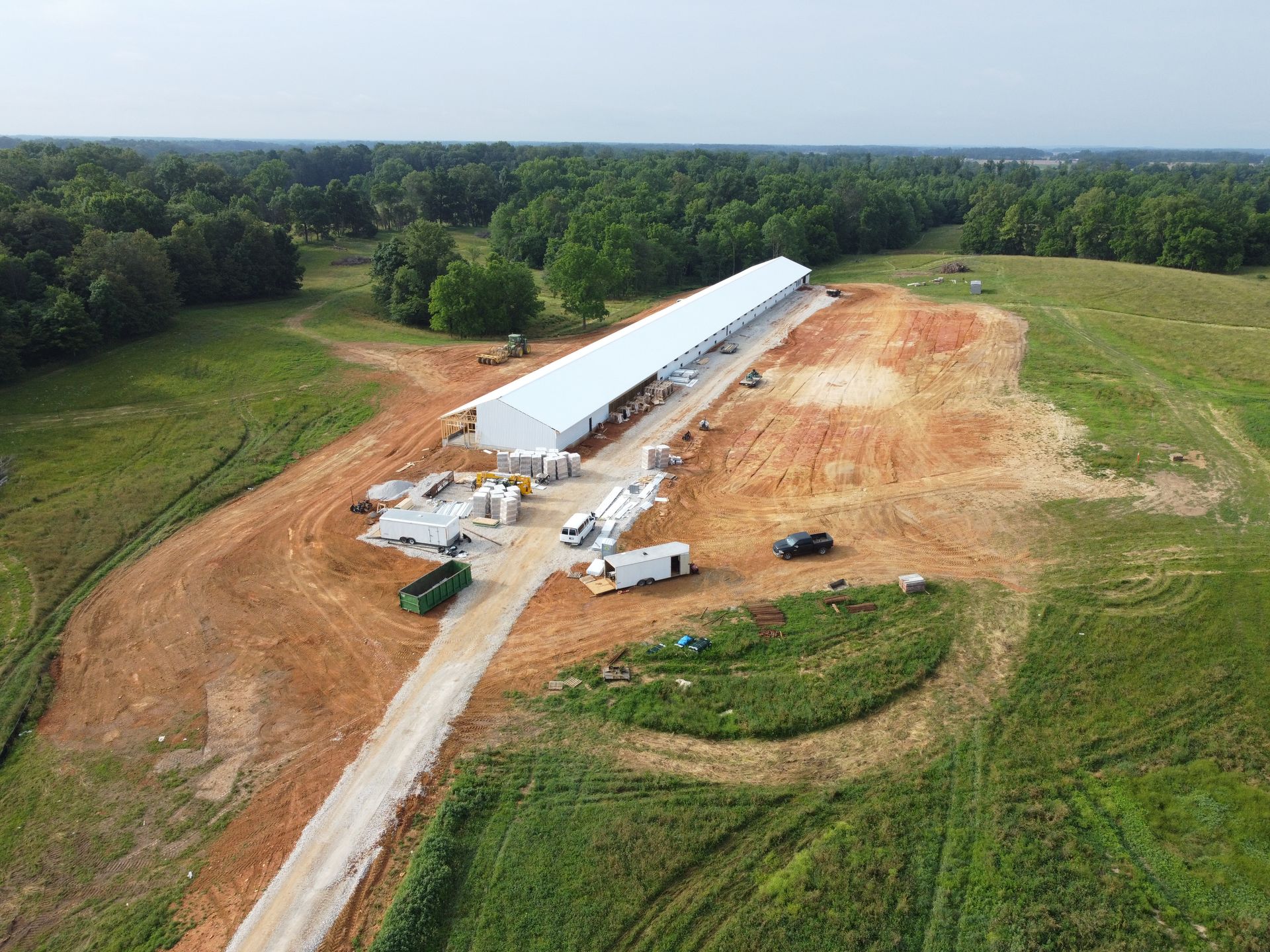
Depending on the site and project requirements, building-pad preparation can involve excavation, earthmoving, appropriate fill placement, grading, and shaping the surrounding area.
The exact requirements depend on factors such as the project plans, specifications, and soil conditions. Engineers, geotechnical or testing professionals, inspectors, and other members of the project team may establish or verify requirements that apply to the pad.
There is no responsible universal compaction percentage, fill depth, or construction method that applies to every commercial project.
From the excavation side, the goal is to prepare the building area according to the project's requirements so it is ready for the construction that follows.
Construction Access Is Part of Site Preparation
The finished business is not the only thing that needs access to the property. Construction does, too.
Equipment, trucks, materials, subcontractors, and future trades need a practical way to enter the site and reach their work areas. Depending on the property, access planning may involve existing entrances, temporary construction routes, ground conditions, drainage crossings, and equipment movement.
Permanent entrances may also require approvals based on the road and jurisdiction.
Planning access early helps the site function during construction instead of focusing only on how traffic will move once the project is finished.
Site Preparation Is a Sequence
Clearing, excavation, grading, drainage, utilities, access, and building-pad preparation should not be viewed as unrelated jobs.
A change in elevation can affect drainage. Utility routes can affect excavation. Access influences equipment movement. Building-pad work must support the requirements of the construction that follows.
The exact order can change based on site conditions, weather, plans, approvals, soil conditions, utilities, and the construction schedule. What matters is that each phase is coordinated with the larger project.
Our broader property development services allow multiple site needs to be considered around the same goal: preparing the property correctly for its intended use.
How Do You Know the Site Is Ready for the Next Phase?
A commercial site is ready for the next phase when the site work required at that point has been completed according to the applicable plans and project requirements, with required testing, inspections, or approvals addressed by the appropriate parties.
That is more useful than judging readiness by appearance.
A property can look cleared, level, and finished while still having unresolved drainage, utility, grading, building-pad, testing, inspection, or approval requirements.
Ultimately, “development ready” should always be considered in relation to what happens next.
Frequently Asked Questions
Can commercial site preparation begin while the building design is still being finalized?
Some planning or preliminary work may be possible, but physical site preparation should be coordinated with the plans, permits, approvals, and project requirements that apply to that work. Beginning major earthwork before critical site information is settled can lead to unnecessary rework.
What should I have before requesting a commercial site-preparation estimate?
Provide whatever project information is available, such as the property location, site or grading plans, survey information, proposed building location, drainage information, utility plans, access details, and anticipated schedule. The available documents will depend on how far the project has progressed.
Does every commercial property need the same site-preparation work?
No. Existing vegetation, previous development, terrain, drainage, soil conditions, utilities, access, and the proposed project can all change what preparation is required.
Can weather affect a commercial site-preparation schedule?
Yes. Rain and soil conditions can affect excavation, grading, equipment access, erosion control, and other earthwork. The impact depends on the site and the work underway.
Who determines when a building pad is ready for construction?
That depends on the project. Engineers, geotechnical or testing professionals, inspectors, and other members of the construction team may establish or verify specific requirements. The excavation contractor performs the site work according to the applicable plans and specifications within the contractor's scope.
Preparing a Commercial Site for Construction in Western Kentucky
Getting a commercial site ready for construction can involve much more than clearing land and moving dirt. The excavation, grading, drainage, utilities, access, and building area all need to support what will eventually be built on the property.
At Nationwide Property Development, we provide excavation, grading, drainage, land clearing, building-pad preparation, and related site-development services for commercial projects throughout Western Kentucky and Northwest Tennessee, including Murray, Paducah, Mayfield, Benton, Fulton, Union City, Paris, and Martin.
If you are preparing commercial property in Western Kentucky, request a free estimate and tell us about your project. We can discuss the property, what you are planning, and the excavation or site-preparation work that may be needed to move the project forward.